CRM for Real Estate: How to Set Up Automated Follow-Up Sequences That Convert
How to set up automated follow-up sequences in a real estate CRM, step by step: segment lead types, define triggers, time each touch, and measure what converts.
PropCRM Team
Real Estate CRM Experts
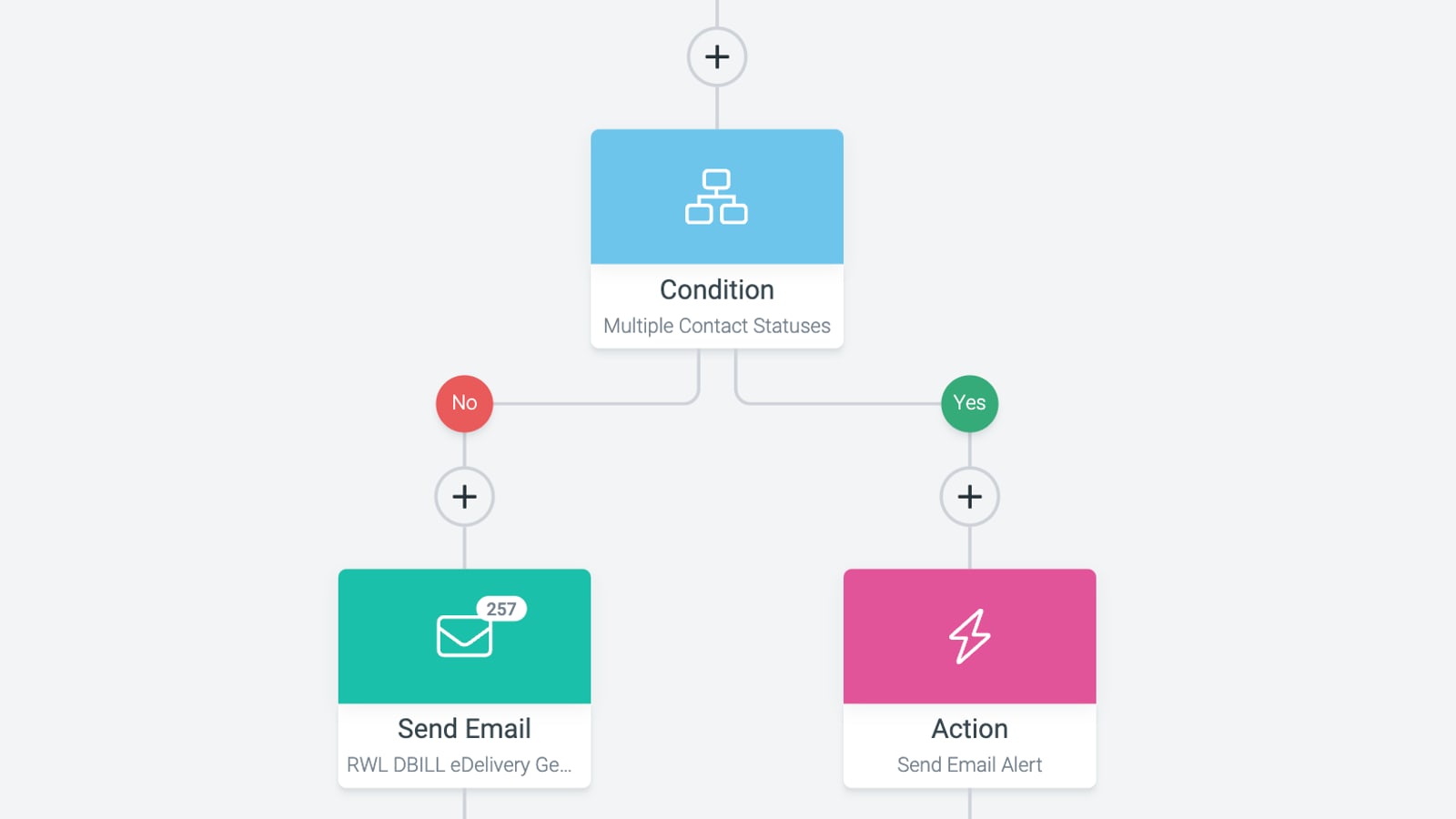
Let's be honest. Most real estate leads don't convert on the first contact. In fact, research consistently shows that over 80% of sales happen after at least five follow-ups - yet most agents give up after just two.
That gap? That's where deals go to die.
If you're working in a fast-moving market like Dubai or managing a high-volume pipeline anywhere, you already know that speed and consistency are everything. A lead that doesn't hear back from you within the first hour is probably already talking to your competitor. That's not dramatic - that's just the reality of real estate sales today.
This is exactly why a real estate CRM with automated follow-up sequences isn't a luxury anymore. It's the backbone of a modern, scalable real estate business.
In this guide, you'll learn how to build follow-up sequences that actually work - the kind that feel personal, move leads through your pipeline, and convert without you having to chase every contact manually.
Whether you're a solo agent, a growing brokerage, or an enterprise team running real estate software in Dubai, this is your practical roadmap.
Table of Contents
- Why Automated Follow-Up Sequences Matter in Real Estate
- Choosing the Right Real Estate CRM for Automation
- Understanding Your Lead Types Before You Build Sequences
- Step-by-Step: Building Your First Automated Follow-Up Sequence
- The Best Channels for Real Estate Follow-Up Automation
- Personalization at Scale - Making Automation Feel Human
- Common Mistakes to Avoid in Real Estate CRM Automation
- How to Measure What's Actually Working
- FAQs
- Conclusion
1. Why Automated Follow-Up Sequences Matter in Real Estate
Think about the last time a lead came in at 11 PM. Did you respond instantly? Probably not. But a well-configured real estate CRM did - or at least, it could have.
Automated follow-up sequences solve one of the biggest problems in real estate: inconsistency. When you're juggling property viewings, client calls, listing updates, and paperwork, manually following up with every lead simply isn't sustainable. Automation fills that gap without making your outreach feel robotic.
The business case is straightforward:
- Faster response times mean higher conversion rates
- Consistent touchpoints build trust and familiarity over time
- Nurturing cold leads over weeks and months brings back prospects you would have otherwise lost
- Your team spends time on warm, ready-to-close leads instead of manual data entry
For agents and brokerages using a complete real estate CRM in Dubai or other competitive markets, this isn't just about efficiency. It's about competitive survival.
2. Choosing the Right Real Estate CRM for Automation
Before you can build effective sequences, you need a CRM that actually supports them. Not all customer relationship management platforms are built with real estate workflows in mind.
Here's what to look for:
Pipeline customization: Your CRM should let you build stages that reflect real real estate journeys - inquiry, viewing scheduled, offer stage, under negotiation, closed.
Multi-channel automation: Email alone isn't enough. Look for a platform that automates SMS, WhatsApp, and email in one workflow.
Lead source tracking: You need to know where your leads are coming from - property portals, website forms, referrals, social media - so you can tailor your sequences accordingly.
Integration capability: Your real estate software should connect with property listing platforms, your website, and your communication tools without friction.
AI-powered lead scoring: The best modern CRMs can rank your leads by conversion likelihood, so your team always knows who to call first.
Popular options in the market include HubSpot, Salesforce with real estate add-ons, Follow Up Boss, LionDesk, and regional platforms specifically designed for markets like real estate CRM Dubai, where Arabic-language support and local portal integrations matter.
The right platform sets the foundation. Without it, even the best follow-up strategy will fall apart.
3. Understanding Your Lead Types Before You Build Sequences
Not every lead deserves the same sequence. Treating a hot buyer who just submitted a contact form the same way you treat someone who downloaded a market report six months ago is a recipe for lost conversions.
Before building a single automation, segment your leads:
Hot leads - Recent inquiries, active searchers, people who've requested a viewing. These need immediate, high-frequency follow-up in the first 48 to 72 hours.
Warm leads - Engaged contacts who've opened emails, clicked listings, or responded but haven't committed. They need consistent nurturing over two to four weeks.
Cold leads - Old database contacts, event sign-ups, early-stage researchers. Long-term drip sequences over months work best here.
Past clients - Often overlooked, but incredibly valuable. Referral-focused sequences and market update emails keep you top-of-mind for repeat business.
Building your automation strategy around these four categories alone will dramatically improve your conversion rates before you even touch advanced features.
4. Step-by-Step: Building Your First Automated Follow-Up Sequence
Here's a proven framework you can implement in most real estate CRM platforms today.
Step 1 - Trigger Definition
Every sequence starts with a trigger. Common triggers include: a new lead form submission, a portal inquiry, a specific tag applied by your team, or a lead reaching a certain pipeline stage.
Be precise. A vague trigger creates messy automations.
Step 2 - Immediate Response (0 to 5 Minutes)
The first message should go out within five minutes of the inquiry. This is typically an SMS or WhatsApp message - something short, conversational, and value-forward.
Example: "Hi [Name], thanks for your inquiry about [Property/Area]. I'd love to help you find the right fit. When's a good time to chat this week?"
Step 3 - Email Follow-Up (Hour 1)
Send a branded email with more detail - featured listings, a link to book a call, and a brief introduction to your team or expertise. Keep it helpful, not salesy.
Step 4 - Second Touch (Day 2)
If no response, send a follow-up. Reference the original inquiry, offer a different property option or a virtual tour, and include social proof - a client testimonial or a recent sale in the area they're interested in.
Step 5 - Value-Add Content (Day 4 to 7)
This is where most agents drop off - and where you win. Send something genuinely useful: a neighborhood guide, a market snapshot, a mortgage calculator link, or an area price trend report. This is not about pushing for a sale. It's about positioning yourself as the expert.
Step 6 - Check-In (Day 10 to 14)
A short, personal-feeling message. Something like: "Still happy to help if the timing is right for you - no pressure at all." This message alone reopens countless conversations.
Step 7 - Long-Term Nurture (Monthly)
For leads that haven't converted after two weeks, move them into a monthly drip - market updates, new listing alerts, investment insights. Stay present without being pushy.
5. The Best Channels for Real Estate Follow-Up Automation
Different channels serve different purposes in your sequence. Here's how to use each one strategically:
Email - Best for detailed content, listings, reports, and long-form nurture. Open rates in real estate average around 25 to 30%, which is solid when your content is relevant.
SMS - Best for immediate responses and appointment reminders. SMS open rates are consistently above 90%, making it your fastest channel for hot leads.
WhatsApp - Especially relevant in markets like the UAE, where WhatsApp is the primary communication channel for business. Many complete real estate CRM platforms in Dubai now support native WhatsApp automation.
Phone calls - Triggered call reminders for your team based on lead activity score. Automated calls themselves rarely work in real estate, but automated reminders to your agents to call at the right time absolutely do.
Retargeting ads - Some advanced CRMs connect with Facebook and Google Ads to serve retargeting campaigns to leads in specific pipeline stages. This creates a surround-sound effect that builds familiarity even outside your direct outreach.
6. Personalization at Scale - Making Automation Feel Human
The number one concern agents have about automation is sounding robotic. It's a fair concern. Nobody wants to feel like they're receiving a mass email.
The solution is dynamic personalization. Modern real estate software allows you to pull in first names, specific property interests, locations, budget ranges, and even behavioral signals - pages they've visited, listings they've saved - into your automated messages.
A few practical rules:
- Always use the lead's first name in the subject line and opening
- Reference the specific area or property type they inquired about
- Vary your message timing - don't always send at exactly the same time of day
- Write your templates in conversational language, not corporate-speak
- Occasionally use imperfect, casual phrasing - it reads more human
When your automation is built around real data and written with genuine warmth, most recipients won't know it's automated at all. That's the goal.
7. Common Mistakes to Avoid in Real Estate CRM Automation
Even experienced teams make these mistakes:
Over-automating the close - Automation nurtures and qualifies. A human closes. Never automate your final conversion step.
Ignoring unsubscribes and opt-outs - Especially important in markets with data privacy regulations. Your CRM must automatically suppress opt-outs.
Using a single sequence for all lead types - As covered earlier, segmentation is everything.
Neglecting sequence maintenance - Markets change. Your sequences should be reviewed every quarter. An email referencing last year's market conditions does more harm than good.
Sending too frequently too fast - Bombarding a new lead with five messages in 24 hours is the fastest way to get blocked. Pace your early-stage touches carefully.
8. How to Measure What's Actually Working
Your real estate CRM should give you clear visibility into sequence performance. Track these key metrics:
- Open rate - Are your email subject lines compelling enough?
- Response rate - Are your messages prompting replies and conversations?
- Conversion rate by sequence - Which sequences produce the most booked viewings or closed deals?
- Lead-to-close time - Is automation shortening your sales cycle?
- Unsubscribe rate - Are you contacting too frequently or with irrelevant content?
Run A/B tests on subject lines, message timing, and CTAs regularly. Even small improvements compound significantly over a large pipeline.
Frequently Asked Questions
What is a real estate CRM and why do I need one?
A real estate CRM is a customer relationship management platform built specifically for managing property leads, client communication, deal pipelines, and follow-up automation. In competitive markets, it's essential for converting inquiries into closed deals without losing leads through manual gaps.
How many follow-up messages should I send before giving up on a lead?
Industry data suggests a minimum of seven to twelve touchpoints before writing off a lead. Most agents give up after two. Automated sequences let you maintain consistent contact without the manual effort, dramatically improving your long-term conversion rate.
Can real estate CRM software handle WhatsApp automation?
Yes. Several real estate CRM platforms - particularly those serving markets like Dubai - now offer native WhatsApp Business API integration, allowing you to include WhatsApp messages directly within your automated follow-up sequences.
What's the best real estate CRM for agents in Dubai?
The best real estate CRM for Dubai should support WhatsApp automation, Arabic language options, integration with regional property portals, and multi-currency pipeline management. Platforms like real estate CRM Dubai-focused solutions, HubSpot, and Follow Up Boss are commonly used, though local specialized tools also serve this market well.
How long does it take to set up automated follow-up sequences?
A basic sequence can be set up in a few hours once your CRM is configured. A full multi-segment automation system with email, SMS, and WhatsApp across all lead types typically takes one to two weeks to build, test, and refine properly.
Conclusion
Real estate has always been a relationship business. But in today's market, relationships are built across dozens of touchpoints - many of which happen before a lead ever picks up the phone.
Automated follow-up sequences, built inside a purpose-driven real estate CRM, are what bridge the gap between inquiry and conversion. They let you respond instantly, nurture consistently, and stay present without burning out your team or losing leads through the cracks.
The agents and brokerages winning right now - especially those running complete real estate CRM systems in Dubai and other high-velocity markets - aren't necessarily working harder. They're working smarter, with systems that do the heavy lifting between human touchpoints.
Start simple. Build your first sequence for hot leads, measure what happens, and expand from there. Within a few months, you'll have a follow-up engine that converts while you sleep.
That's not a fantasy. With the right real estate software and a disciplined automation strategy, it's just good business.
Book a demo to see a first follow-up sequence mapped out around your own lead types, triggers and channels, or compare plans to see what each tier includes.
Related reading
- Real Estate CRM Workflow Automation: Step-by-Step Setup Guide
- How Real Estate CRM Automates Email, SMS and WhatsApp Communication - And Why Dubai Agents Are Switching Fast
- How Top-Performing Real Estate Agents Use CRM Data to Predict Which Leads Will Close
- Real Estate CRM Reporting and Analytics: What Data Actually Matters