
Real Estate CRM Reporting and Analytics: What Data Actually Matters
Most agencies are sitting on data they never use. This guide breaks down the metrics that actually predict revenue – and how to turn your real estate CRM analytics into decisions that grow your pipeline.
PropCRM Team
Real Estate CRM Experts
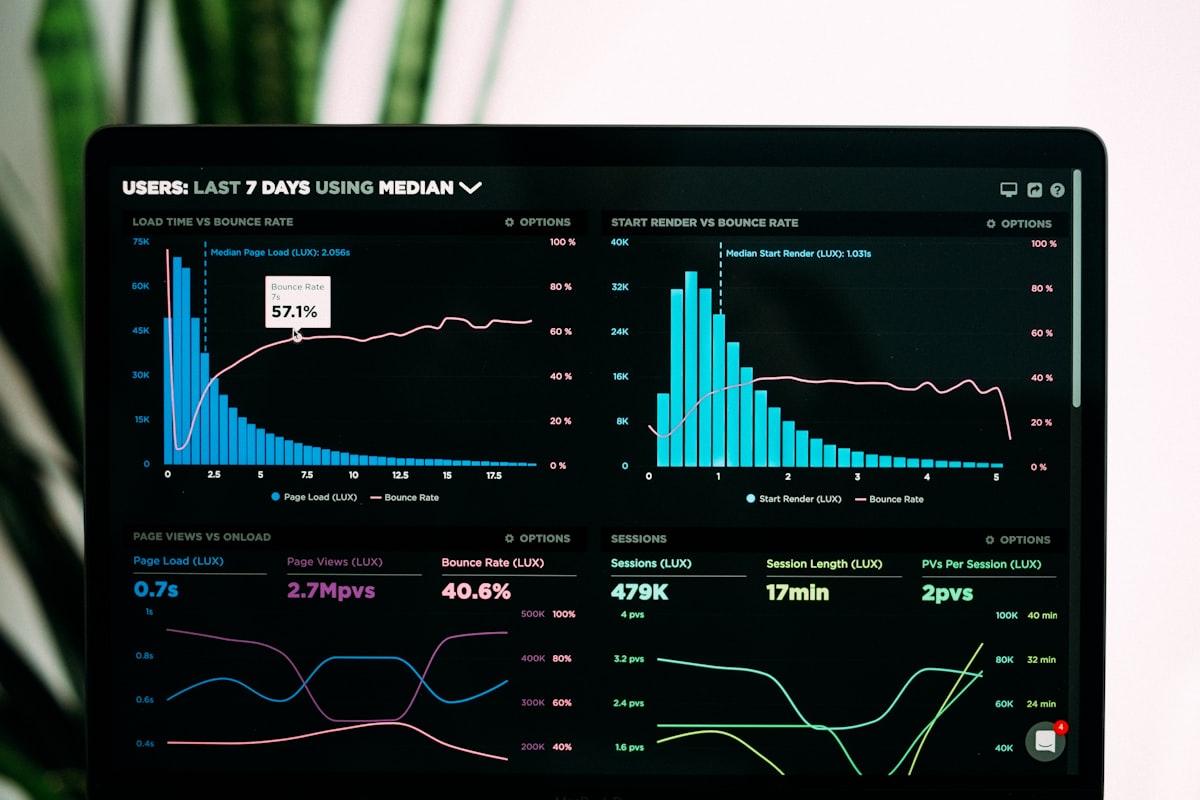
Most real estate agencies are sitting on a goldmine of data they never actually use. Lead sources, follow-up times, conversion rates, agent performance – it's all there, buried in spreadsheets or scattered across disconnected tools. The problem isn't a lack of data. It's not knowing which numbers actually move the needle.
If you've ever stared at a dashboard full of charts and wondered, "Okay, but what am I supposed to do with this?" – you're not alone. A good real estate CRM doesn't just collect data. It tells you a story: where your best leads come from, why some deals close fast while others stall for months, and which agents need coaching versus which ones need more leads.
This guide breaks down exactly what metrics matter, what to ignore, and how to turn raw numbers into decisions that grow your pipeline. Whether you're running an agency in Downtown Dubai or managing a remote team across multiple markets, the principles are the same – track what predicts revenue, not what just looks impressive on a slide.
Table of Contents
- Why Reporting and Analytics Matter More Than Ever in Real Estate
- Lead Source Performance: Where Your Best Deals Really Come From
- Conversion Rate Metrics That Actually Predict Revenue
- Agent Performance Tracking Without Micromanaging
- Response Time and Follow-Up Analytics
- Deal Velocity and Pipeline Health
- Customer Lifetime Value and Repeat Business Tracking
- Choosing the Best CRM for Real Estate Reporting Needs
- Common Reporting Mistakes Agencies Make
- Frequently Asked Questions
- Conclusion
1. Why Reporting and Analytics Matter More Than Ever in Real Estate
The real estate market has gotten more competitive, and gut instinct alone doesn't cut it anymore. Buyers research online before ever calling an agent. Listings move fast in some neighborhoods and sit for months in others. Without proper reporting, you're essentially flying blind.
This is where real estate software built around analytics changes the game. Instead of guessing which marketing channel works, you can see it in black and white. Instead of wondering why a top-performing agent suddenly went quiet, you catch the dip in activity weeks before it becomes a real problem.
Agencies using a real estate CRM Dubai professionals trust are increasingly leaning on dashboards that combine lead data, transaction history, and agent activity in one place – because in a market this fast-moving, reacting a month late means losing the deal entirely.
2. Lead Source Performance: Where Your Best Deals Really Come From
Not all leads are created equal. A lead from a referral closes differently than one from a Facebook ad, and both behave differently from a walk-in inquiry. If you're not tracking lead source performance, you're probably overspending on channels that generate volume but not value.
What to actually track here:
- Cost per lead by channel – not just total spend, but spend divided by leads generated from each source
- Lead-to-client conversion rate by source – which channels bring people who actually buy or rent
- Average deal size by source – some channels bring bargain hunters, others bring serious buyers
A solid CRM for real estate setup will automatically tag leads at the point of entry and follow them through the entire funnel, so you're not manually cross-referencing spreadsheets every month. This single feature alone often pays for the software within the first quarter.
3. Conversion Rate Metrics That Actually Predict Revenue
Vanity metrics feel good but don't pay the bills. Total leads generated, website visits, social media followers – these matter for awareness, but they don't tell you whether your business is actually converting interest into closed deals.
The metrics that matter:
- Lead-to-appointment ratio – how many leads actually book a viewing or consultation
- Appointment-to-offer ratio – how many of those meetings turn into serious offers
- Offer-to-close ratio – your final conversion checkpoint
When these numbers are tracked stage by stage, you immediately see where your funnel leaks. Maybe you're great at generating interest but terrible at converting first meetings into offers. That's a sales training issue, not a marketing one – and you'd never know that without stage-by-stage data.
4. Agent Performance Tracking Without Micromanaging
Tracking agent performance can feel uncomfortable, like you're spying on your team. But done right, it's the opposite – it's how you identify who needs support, who deserves recognition, and who might be burning out.
Useful performance indicators include:
- Number of active leads per agent
- Average response time to new inquiries
- Conversion rate per agent (not just total sales)
- Client satisfaction or feedback scores
The goal isn't to rank agents in a public leaderboard and create unhealthy competition. It's to spot patterns. If one agent consistently converts leads at twice the rate of others, their approach to follow-up or negotiation might be worth replicating across the team. A capable CRM for real estate agents makes this visible without anyone having to ask for manual reports.
5. Response Time and Follow-Up Analytics
Here's a stat that surprises a lot of agency owners: leads that get a response within five minutes are dramatically more likely to convert than those contacted even thirty minutes later. In real estate, where buyers are often comparing multiple agents simultaneously, speed isn't just nice to have – it's often the deciding factor.
Track these specifically:
- Average first response time, broken down by lead source and time of day
- Number of follow-up touches before conversion
- Drop-off points where leads go cold
If your reporting shows response times creeping up during certain hours or days, that's a staffing and workflow issue you can fix immediately – but only if you're actually measuring it.
6. Deal Velocity and Pipeline Health
Deal velocity measures how quickly leads move through your pipeline from first contact to closed deal. A slow pipeline doesn't always mean bad leads – sometimes it means bottlenecks in your process, like delayed paperwork or slow communication between agents and clients.
Key things to monitor:
- Average days from lead to close, by property type and price range
- Number of deals stuck in each pipeline stage for longer than average
- Seasonal trends in deal velocity
Pipeline health reporting is one area where generic spreadsheets fall apart fast. A purpose-built best CRM for real estate platform visualizes this automatically, flagging stalled deals before they die completely.
7. Customer Lifetime Value and Repeat Business Tracking
Real estate isn't always a one-and-done transaction. Investors buy multiple properties. Renters become buyers. Buyers refer friends and family. If your reporting only looks at single transactions, you're missing the bigger financial picture.
Track:
- Repeat client percentage
- Referral-generated revenue
- Average revenue per client over multiple years, not just per deal
This kind of long-term view often reveals that your most profitable clients aren't the ones with the biggest single purchase – they're the ones who keep coming back or sending referrals your way.
8. Choosing the Best CRM for Real Estate Reporting Needs
Not every CRM handles analytics the same way. Some offer beautiful dashboards that are surface-level and hard to customize. Others are powerful but require a data analyst just to interpret them. The right balance matters.
When evaluating real estate software, look for these reporting capabilities specifically:
- Customizable dashboards by role (owner, manager, agent)
- Automated lead source attribution
- Real-time pipeline visualization
- Exportable reports for stakeholders and investors
- Mobile access to key metrics on the go
For agencies operating in fast-paced markets, a real estate CRM Dubai teams rely on should also support multi-currency tracking, localized lead sources, and compliance reporting specific to regional regulations – generic global platforms often miss these nuances entirely.
9. Common Reporting Mistakes Agencies Make
Even with great tools, agencies sabotage their own reporting in predictable ways:
- Tracking too many metrics at once – leading to analysis paralysis instead of action
- Ignoring data quality – duplicate leads and incomplete records skew every report built on top of them
- Reviewing reports too infrequently – monthly check-ins miss problems that needed fixing weeks earlier
- Not connecting reporting to actual decisions – data without follow-through is just noise
The fix isn't more dashboards. It's fewer, better metrics reviewed consistently, paired with a team culture that actually acts on what the numbers show.
Frequently Asked Questions
What is the most important metric to track in a real estate CRM?
Lead-to-close conversion rate is typically the single most valuable metric because it ties marketing spend directly to revenue, helping you see which efforts genuinely pay off.
How often should real estate agencies review CRM analytics?
Weekly reviews work best for most agencies. Monthly reviews are too slow to catch response-time issues or stalled deals before they become lost business.
Can a CRM for real estate agents track individual agent performance fairly?
Yes, when it measures conversion rates and response times rather than just total sales volume, since this accounts for differences in lead quality assigned to each agent.
What makes a real estate CRM Dubai-specific option different from global software?
Localized platforms typically support regional compliance reporting, multi-currency tracking, and lead sources common to Gulf markets, which generic international tools often don't handle well.
Is expensive real estate software always better for reporting?
Not necessarily. The best CRM for real estate reporting needs is one that matches your team's actual workflow and reporting habits, not the one with the most features you'll never use.
Do small agencies need CRM analytics, or is it only for large teams?
Small agencies benefit just as much, if not more, since every lead matters more when your pipeline is smaller, making it critical to know exactly where your best opportunities come from.
Conclusion
Reporting and analytics aren't about drowning in data – they're about clarity. The agencies that grow fastest aren't the ones with the most dashboards. They're the ones who've identified the handful of metrics that actually predict revenue and built habits around reviewing them consistently.
Whether you're searching for a CRM for real estate to replace outdated spreadsheets, or comparing platforms to find the best CRM for real estate in a competitive market like Dubai, the priority should always be the same: choose tools that turn raw numbers into clear, actionable decisions. Track lead sources, conversion rates, response times, and pipeline velocity – and let the rest go.
Good reporting won't close deals for you. But it will tell you exactly where to focus so your team can close more of them, faster.